Iranians at Radboud University live between fear and hope: ‘I’ve promised myself to live more courageously from now on’
-
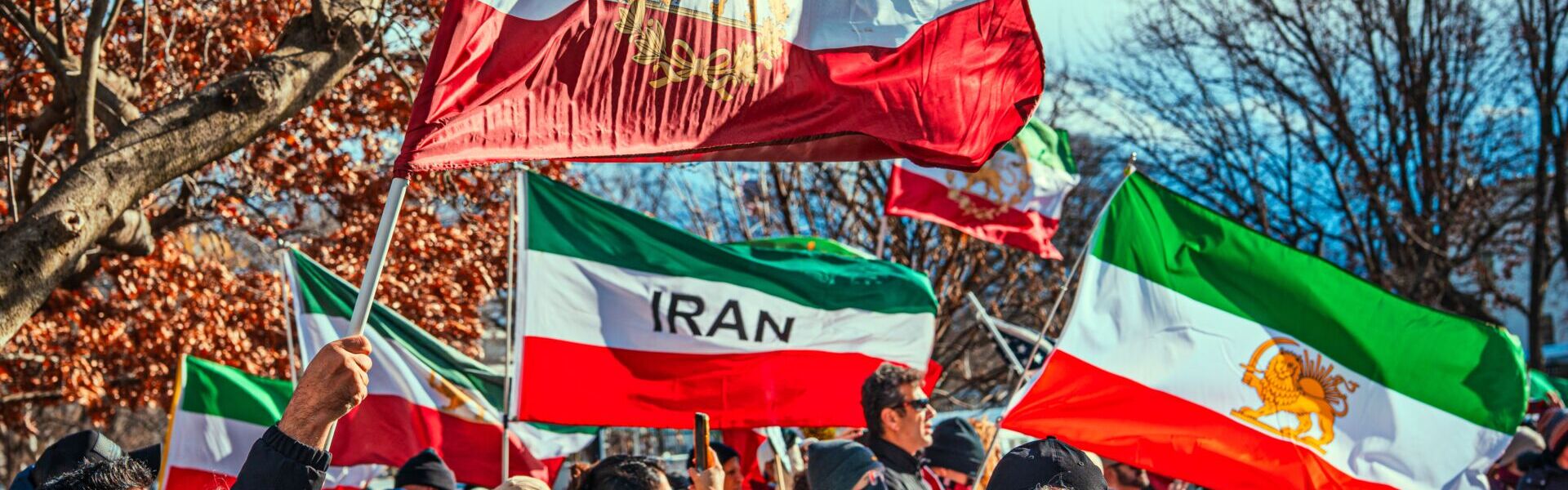
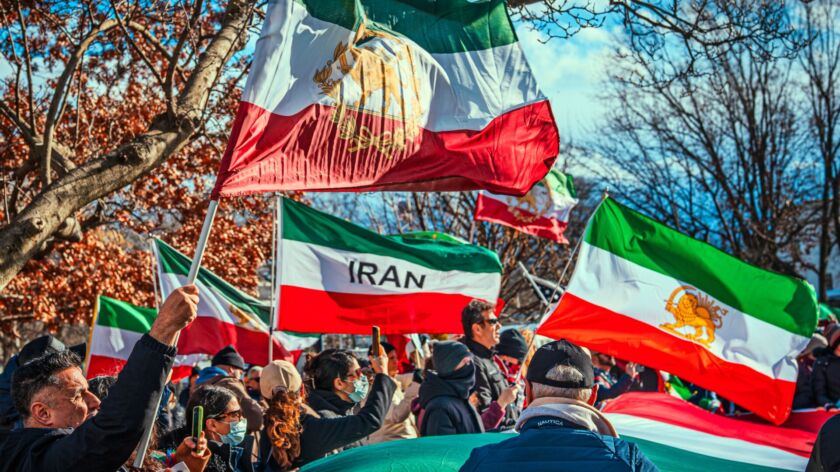 Free Iran-protest in Washington. Foto: Ted Eytan / Flickr
Three Iranians at Radboud University talk about events in their homeland, where their countrymen are taking to the streets en masse to demonstrate against Ayatollah Ali Khamenei's regime. They have been met with brutal repression: according to human rights organisations, more than 2,500 protesters have already been killed by the regime. 'I’m very worried about friends and family.'
Samaneh, researcher: ‘In the minds of many Iranians, the regime has already collapsed’
‘Contact with friends and family in Iran is very unstable. An hour ago (the interview took place on Tuesday afternoon, ed.), my mother was able to call me briefly, but that’s impossible again now.
‘Until 2018, I worked as an Assistant Professor in Iran. I was also a human rights activist focusing on gender equality and women’s empowerment, which got me fired out of the blue. My passport was confiscated by the authorities for a year and I was repeatedly interrogated about my work and foreign trips. Fearing for their own safety, many people kept their distance from me, leaving me socially isolated. When my travel ban was finally lifted, I was able to go to the Netherlands through the Scholars at Risk programme.
‘I’ve barely been able to work since last Thursday. Many Iranians in the Netherlands are physically and emotionally exhausted because we are constantly looking for news about friends and family. This is a historic moment and we are very emotionally involved.
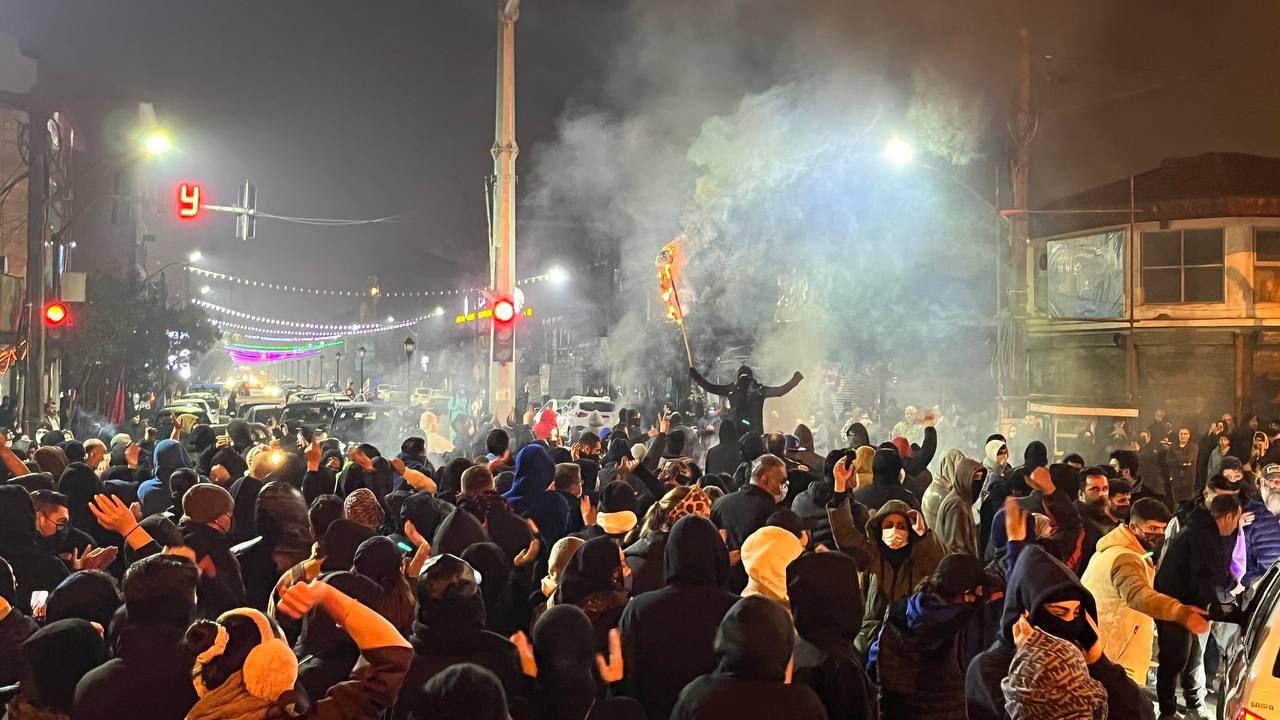
‘Fundamentally, the protests are about regime change. The protesters are calling for freedom and directly challenging the supreme leader, Ayatollah Ali Khamenei. But only replacing him and keeping the rest of the regime intact, as happened in Venezuela, is not what the protesters want. The core problem is systemic corruption and the ideological theocracy that suppresses personal freedom. That’s also why many people chanted the name of former Crown Prince Reza Pahlavi, making it clear that they want a complete break with the Islamic Republic.
‘I hear from people in Iran that, despite the severe repression, they have not lost hope’
‘Since 2016, successive waves of protests have become bigger and more radical, while also becoming more frequent. Each time, the regime responded with brutal repression, but that did not stop the protesters.
‘It is hard to predict whether these protests mean the end of the regime, but I do believe that we are in the final stages. I hear from people in Iran that, despite the severe repression, they have not lost hope. They believe that this could be the end of the Islamic Republic. In the minds of many Iranians, the regime has already collapsed.
‘The international community could help restore communications and internet access so that journalists and citizens can show what is happening in Iran. I also believe that the regime will continue killing innocent Iranian protesters if the international community does not act decisively. The only realistic option is therefore to support the Iranian people in their quest for regime change and stop recognising this government. This is essentially different from simply putting pressure on the Islamic Republic.
‘Radboud University could provide platforms for academic discussion about Iran. Academics themselves must be prepared to ask difficult questions: how can peaceful regime change take place? Is that even possible? And who can be negotiated with when a regime violently oppresses its own people?’
Reza*, student: ‘I suffer from survivor’s guilt’
‘There has now been an internet blackout in Iran for more than 140 hours, during which time I’ve had no contact with my friends, parents or sisters. Are they currently protesting? I imagine they are, but I’m not sure. That uncertainty is one of my biggest worries. For women, who are brutally oppressed in Iran, demonstrating is particularly dangerous.
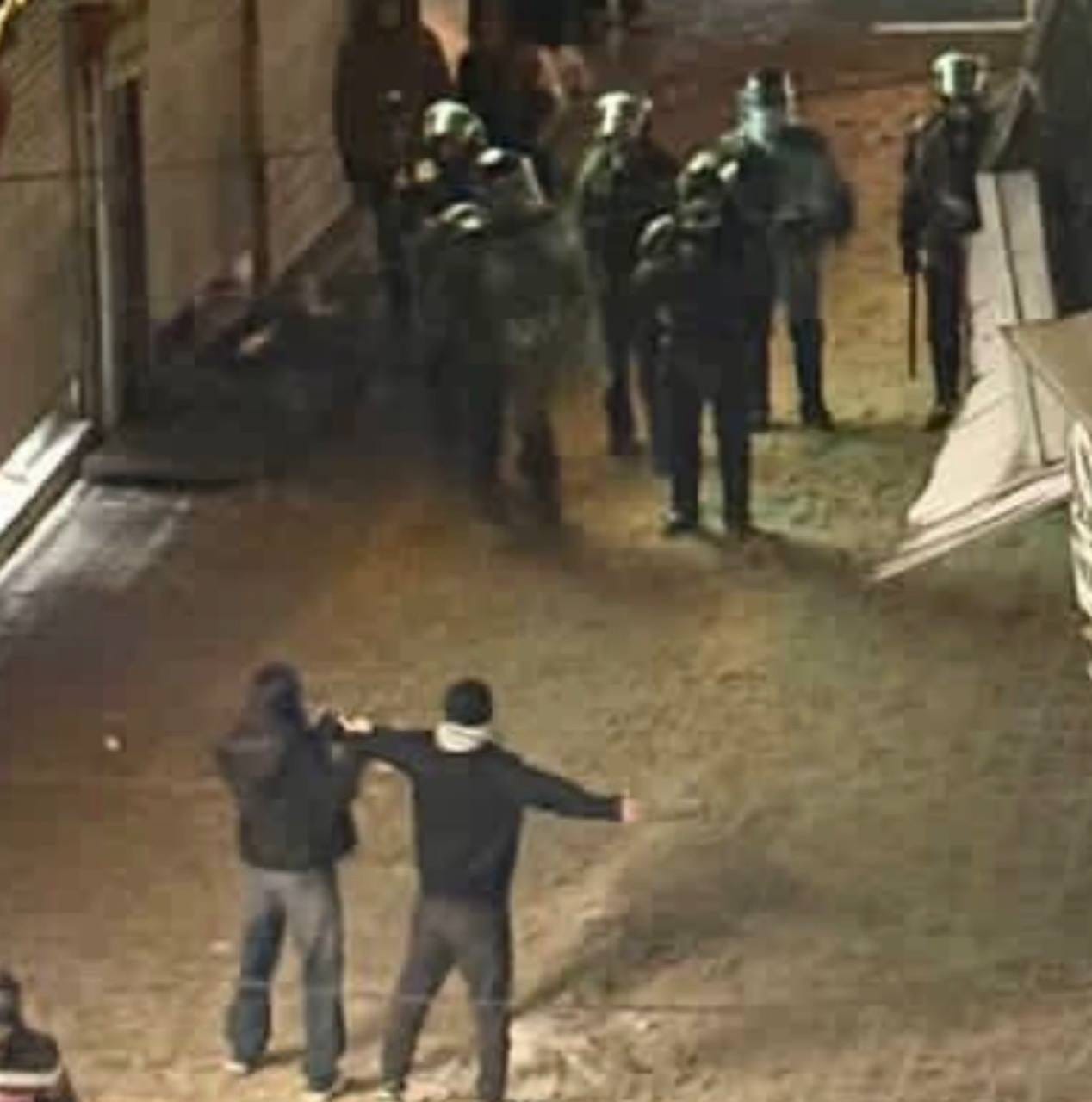
‘I feel a form of survivor’s guilt, because as a young person I feel I should be in Iran. But the consequences of demonstrating are extreme: imprisonment, torture and even execution.
‘A small group of Iranians can still access the internet via Starlink (a satellite network developed by aerospace company SpaceX that provides internet access, ed.). That means that some information emerges from time to time, mainly through X. My main source of news is the independent blogger Vahid Online. He receives messages from Iran and tries to verify them. He is highly trusted by the Iranian community.
‘A few years ago, I started my studies in Nijmegen. I already had a qualification and work in Iran, but low incomes, regular internet blackouts and other restrictions made life increasingly difficult. Studying in Europe, through PhD programmes, for example, offers a way to build a future without having to do so as a refugee.
‘Over the past 20 years, there have been many protests with different origins, but the core discontent remained the same. This is not opposition to religion as a personal belief, but to a form of government in which religion is used to control laws and daily life. People are tired of a government which claims to speak on their behalf, imposing religious norms in every aspect of their existence.
‘This time I have the impression that the protests are more intense and less inhibited’
‘Deposing Ayatollah Ali Khamenei and his immediate circle are crucial for real change, because they control the military, the foreign policy and the religious structure imposed on society. Support for Reza Pahlavi mainly stems from the lack of alternatives: there is currently no one else who can unite Iranians.
‘It is hard to say whether the regime will fall this time. This time I have the impression that the protests are more intense and less inhibited. People seem less anxious than before. The regime is deploying heavy military equipment and is not setting clear limits to violence. But without external support, many fear the uprising will not succeed. If nothing happens, protests are likely to wane and despair will increase.
‘I myself come from Tehran, where opposition to the regime is widespread. There was always more support for the regime in smaller villages and towns, but that religiosity is declining. I see this shift in my own family too. My parents used to be religious, but they have become increasingly critical over the years. Many people who were once believers are now actively turning against the system.
‘Can Radboud University do anything for Iranians? Symbolic actions, like issuing a statement or sharing information, could mean a lot to Iranian students and staff. And being understanding and flexible is also important. Many Iranians are mentally paralysed, we can barely concentrate and are constantly checking the news. Moving the deadline for a paper slightly could then make a big difference.’
Maryam*, researcher: ‘Talk about the protests with Iranian fellow students and colleagues’
‘I’m very worried about my family and friends. On Tuesday, I saw that I had a missed call from my mother, but I couldn’t call her back. My phone is now not on silent anymore, in the hope that I’ll hear when she calls back.
‘Unfortunately, crises in Iran are nothing new for Iranians who have lived abroad for a long time. Many people in my Iranian network abroad have learned to deal with it: you either immerse yourself completely and get depressed, or you learn to distance yourself from it a bit. Still, I am enormously inspired by the courage of the people of Iran. The first night I followed the news, I promised myself to live more courageously from now on.
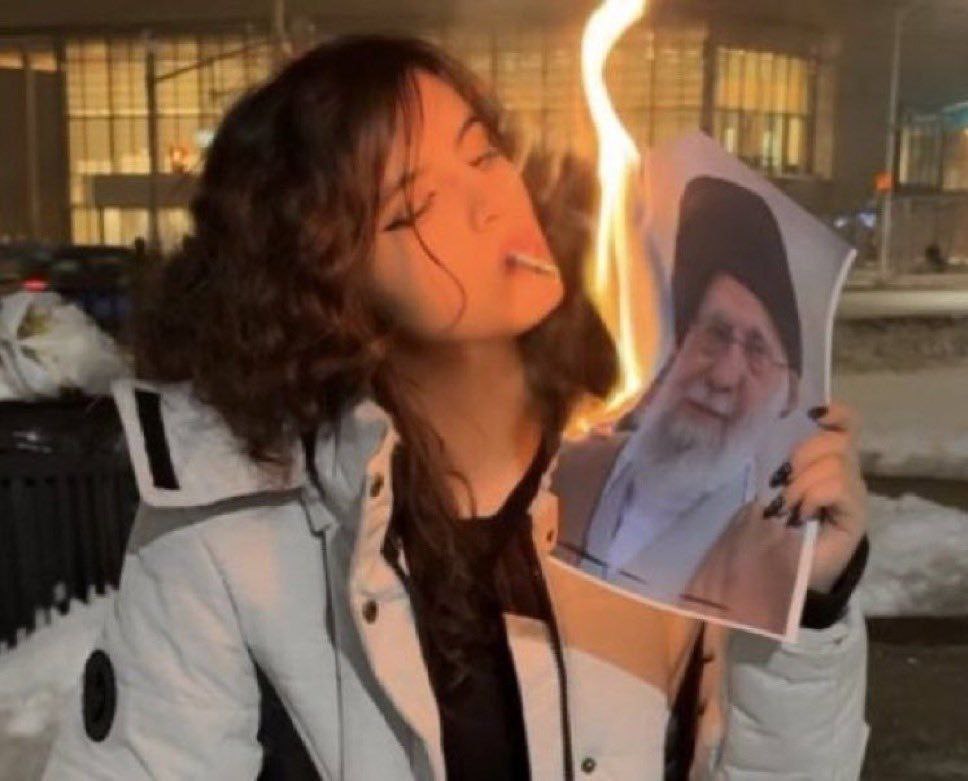
‘Unlike previous protests, people from different social classes and from all over the country are now participating: from big and small cities, as well as from villages. In the past, protests were more fragmented, but now everything is coming together; prolonged political repression, economic problems, water scarcity, air pollution and regular power cuts, and above all, government violence. People are exhausted. Decades of pressure have brought them to a point where they feel they have nothing left to lose. This is a revolution.
‘Something has also changed emotionally: on social media, I used to read mostly sadness and victimisation, but now a different tone prevails. People are encouraging each other to be strong. Personally, I began to feel hope with the movement that emerged after the killing of Mahsa Amini by the morality police in 2022. This time, that feeling is even stronger.
‘There is a collective feeling that freedom is worth paying this price’
‘Even if the regime does not fall now, I don’t think there’s any turning back. The more violence the regime uses, the more motivated people become. It feels like the whole nation is united. There is a collective feeling that freedom is worth paying this price. People consider the need for change more important than being afraid.
‘I moved to the Netherlands about 10 years ago. For Iranians of my age, especially among educated people, this is very common. After the peaceful protests during Ahmedinejad’s presidency, which were brutally suppressed, I felt I could no longer change anything in Iran. That played a decisive role, but I am also just an adventurous and curious person.
‘Do I have a tip for non-Iranian students and staff? Talk about the protests with your Iranian fellow students and colleagues! It is very strange to know that people are being killed in your country, while people at work are often talking about everyday things. Europeans are often afraid to broach the subject, however, that silence can be very painful. Empathy does a lot. In that respect, it would be great if the university issued a statement.
‘My feelings about my Iranian identity have changed. I never used to feel much national pride, but this movement makes me feel proud of the courage, resilience and solidarity of my compatriots.’
*For security reasons, Reza and Maryam’s names are fictitious. Their real names are known to the editors.